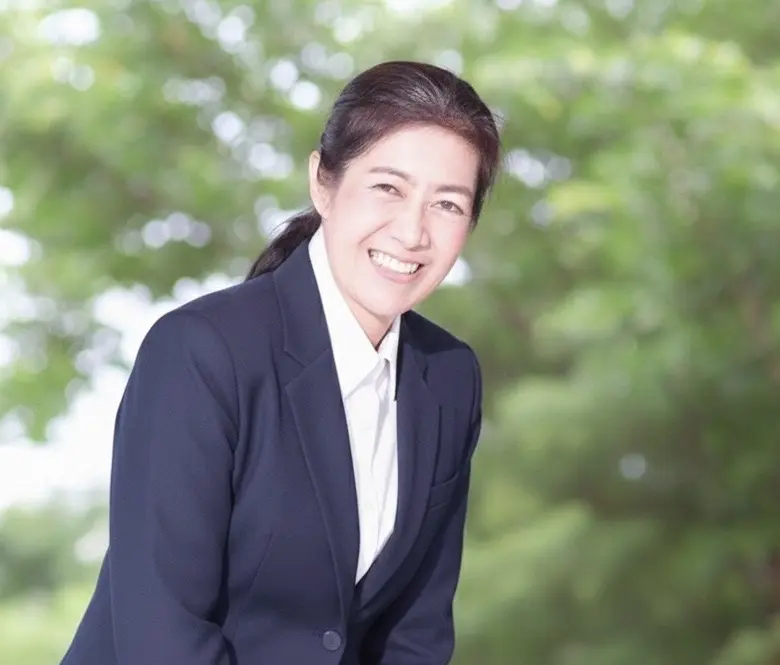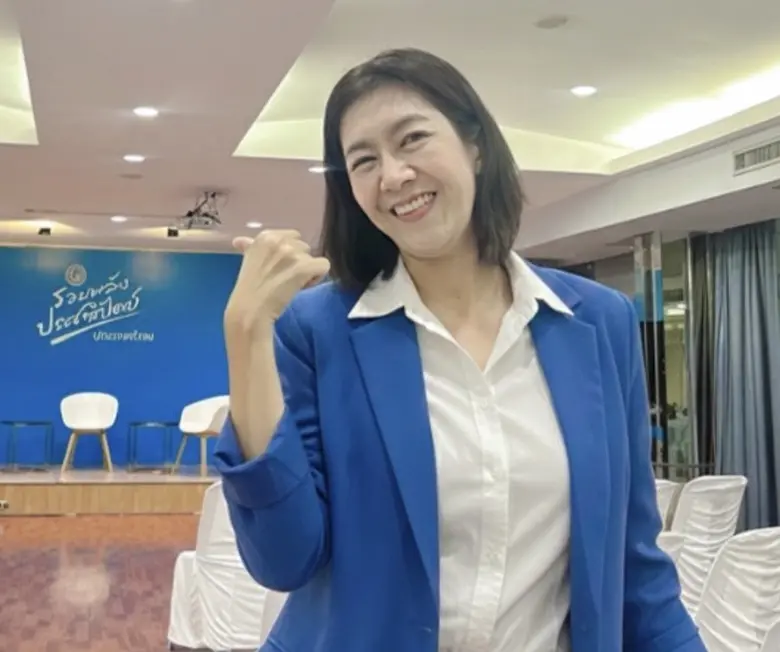
Ms. Orakitt stated that if the province continues along the same trajectory, Chachoengsao will inevitably continue to miss out on the full benefits of the Eastern Economic Corridor (EEC). She stressed the need for a strategic shift—from merely accommodating investment to designing a people-centered urban economic system that ensures sustainable value creation and wealth retention within the local economy.
Under the EEC Plus policy, she proposed three core strategic pillars to restructure the province's economic and social foundations
- High Skills Hub: Building Globally Competitive Human Capital
The policy focuses on establishing a high-skills ecosystem that integrates educational institutions, businesses, and future industries to support a high-quality local workforce. By nurturing youth with specialized talents—across vocational fields, sports, and music—the initiative aims to enable residents to work locally while earning at global standards. This approach seeks to curb skilled labor outmigration, strengthen local bargaining power, and enhance long-term economic resilience.
- Check-in City: Shifting Tourism toward a High-Value Economy
The proposal aims to reposition Chachoengsao from a transportation transit point into an experiential tourism destination. By developing a faith-based economy alongside sport tourism and gastronomy in the Bang Pakong River basin, the strategy seeks to increase overnight stays, stimulate local spending, and ensure systematic income distribution to communities.
- Smart City: Data-Driven Urban Management and Structural Solutions
Smart City policies will be employed to address long-standing structural challenges, particularly traffic congestion during weekends and festivals. Through data utilization, urban planning, and integrated collaboration among the public sector, private sector, and local authorities, the policy also aims to upgrade public health systems and essential services to ensure equitable access for all citizens.
Ms. Orakitt underscored that the successful implementation of these policies must be grounded in clean politics and professional governance. She warned that persistent budget leakages would undermine development outcomes. Under the guiding principle of "Bold Action," she proposed concrete policy mechanisms, including youth development platforms, partnerships with the private sector and global organizations, and the institutionalization of proven policy successes into the provincial development plan.
The Democrat Party candidate stated that the ultimate goal of the EEC Plus policy is to transform Chachoengsao into an economic base where citizens actively participate and genuinely benefit—rather than serving merely as an investment host area. She reaffirmed her readiness to apply her experience and expertise to translate policy into real-world outcomes, should she earn the public's trust.
Despite being a first-time candidate contesting a constituency long dominated by incumbents, Ms. Orakitt emphasized that once she chose to stand under the Democrat Party banner, she committed fully to the challenge. She expressed confidence that her proposed policies are both feasible and capable of fundamentally transforming "Paet Riu" (Chachoengsao).
Ms. Orakitt holds a Bachelor of Science degree from King Mongkut's Institute of Technology Ladkrabang and completed technology transfer training with Texas Instruments in the United States, specializing in wafer fabrication as a Process Engineer. She earned a Master's degree in Management with a focus on Tourism Management from National Institute of Development Administration (NIDA). Her work has included community-based development in Chachoengsao, applying innovation to agricultural product processing to enhance value creation and income circulation among local farmers. She is currently pursuing a doctoral degree in Tourism Management at NIDA.