Thailand, renowned for its vibrant culture, strategic location, and abundant water resources, continues to face ongoing challenges with flooding. Every year, monsoon rains and tropical storms cause severe flooding that threatens communities, damages infrastructure, and disrupts the economy. Climate change has worsened extreme weather events, making sustainable, innovative, and integrated flood management strategies critical.
Thailand's Water Resources and ChallengesSituated in Southeast Asia, Thailand's major rivers like the Chao Phraya, which flows through Bangkok, and the Mekong, shared with neighboring countries, support agriculture, industry, transportation, and everyday life. However, these waterways also pose flood risks during monsoon seasons and typhoons. Heavy rains often overwhelm urban drainage systems and flood control infrastructure, exemplified by the 2011 Bangkok flood.
Rapid urbanisation, expanding industrial zones, and climate change—altering rainfall patterns and sea levels—compound these challenges. Therefore, managing Thailand's water resources requires a holistic approach that balances flood prevention, water quality, ecosystem health, and socio-economic development.
Learning from Global LeadersCountries like the Netherlands and Singapore offer valuable lessons. The Netherlands, with much of its land below sea level, employs advanced flood resilience strategies such as relocate dikes, land reclamation, storm surge barriers, multi-purpose coastal nourishment and high-tech flood forecasting. These innovations allow regions to adapt flexibly and transform vulnerabilities into resilient assets.
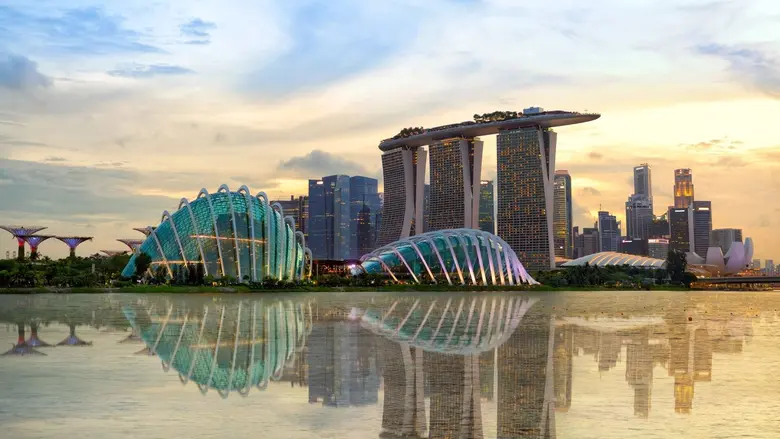
Singapore exemplifies urban resilience by integrating green infrastructure, water-sensitive urban planning, and smart drainage systems. Its approach combines natural water retention zones with engineered solutions to prevent floods in densely populated areas while maintaining environmental sustainability.
Key Concept: "Room for the River" - Nature-Based Flood Risk Management
The key concept protecting the Netherlands from water flooding, is the shift from traditional dike reinforcement to an innovative, nature-based approach called "Room for the River". Instead of simply making dikes higher and stronger, this strategy focuses at the same time on giving rivers more space to safely convey floodwaters, harmonizing engineered infrastructure with natural processes.
How "Room for the River" works:
- Increase River Capacity: Instead of solely relying on raising dikes, the program widens river channels, creates bypasses, deepens riverbeds, and relocates dikes inland where needed.
- Nature-Based Solutions: Incorporates environmental features (floodplains, marshlands, fish passes) so rivers can overflow safely during high water, reducing flood peaks and improving habitat.
- Spatial Planning Integration: Coordinate flood protection, housing, business relocation, recreation, and natural landscapes to enable adaptive, sustainable water management. Because floods are infrequent, areas designated for temporary inundation can serve other uses—economic activity, leisure, or habitat—during dry periods. The programme has already included relocation of businesses and households in some zones, demonstrating how planned, managed shifts in land use can reduce risk while keeping spaces productive and community-focused. However, flooding is becoming more frequent due to climate change.
- Adaptive Management: Uses hydraulic modeling, monitoring, and stakeholder engagement to continuously evaluate and adjust river measures to anticipate the uncertain trends in climate and economic development.
- Location-Specific Designs: Each river stretch gets a custom "toolbox" of interventions based on local geography and hydrology.
Regional Resilience: Lessons from Vietnam's Mekong DeltaVietnam's Mekong Delta, a vital agricultural and economic area in the lowest delta worldwide, faces rising risks from sea-level rise, land subsidence, and intensified storms. The Mekong Delta Integrated Regional Planning (MDIRP), led by Haskoning and funded by the World Bank, exemplifies effective regional planning.
The project aims to enhance climate resilience across sectors agriculture, water supply, transportation, and environment. The is achieved by introducing zoning of delta based on the natural conditions related to current land use, soil conditions, flood risk and water availability. Based on this zoning, spatial, economic and environmental development directions have been provided. Its success illustrates how an adaptable, integrated approach enables local authorities to respond dynamically to emerging challenges, manage risks, and thereby promote sustainable development for the future.
Strategic Path Forward for Thailand
Global warming is accelerating the intensity and frequency of severe floods across Thailand. Bangkok faces a compounded threat from rising sea levels, ongoing land subsidence, and heavier upstream runoff, while Hatyai recently experienced unprecedented rainfall linked to atmospheric river events. Together these forces have produced deep economic and social impacts in both cities, exposing lives, livelihoods, and infrastructure to escalating risk. This reality highlights a critical gap: Thailand still lacks a coherent, long-term, system-wide approach to water management. Piecemeal responses and short-term fixes cannot keep pace with a changing climate.
Thailand can adopt these strategies progressively—starting with pilot projects, natural buffers, upgraded infrastructure, and community involvement. Proven abroad, these approaches are crucial for building future flood resilience.
To effectively manage flood risks, Thailand should not wait with adapting a long-term, integrated strategic approach. Starting with pilot projects in high-risk zones like suburban Bangkok and upstream catchments allows for testing and refining solutions before scaling nationwide. Such efforts must be collaborative, involving government agencies, private sector partners, local communities, and international experts. Partnerships with organisations from the Netherlands, utilising proven technologies such as dynamics dikes, flood forecasting, and nature-based solutions, will be crucial.
The core strategy is "holistic planning," integrating flood defenses with urban development, agriculture, transportation, and ecosystem conservation. Public engagement is equally essential, beyond raising awareness, educating residents about flood-prone areas, and encouraging community participation more importantly, it should involve sharing ideas and co-creating solutions together to foster trust and shared responsibility. When communities understand and support flood resilience initiatives, implementation accelerates.
Furthermore, flood management should be embedded within broader policies on land use, climate adaptation, water quality, and disaster response to ensure coherence and sustainability. Developing long-term visions spanning decades, rather than short-term reactive measures, is vital because flood resilience is an ongoing process requiring continuous refinement.
The Role of International Expertise: Haskoning's Contribution
Haskoning's experience in Thailand spans over 50 years, through partnerships like Chuchawal-Royal Haskoning (C-RH), delivering expertise in hydrological assessments, flood control infrastructure design, environmental projects, and community engagement tailored to Thailand's unique climate and socio-economic context. The company's success stories include the pioneering flood protection system for Bangkok's Suvarnabhumi Airport, which employed innovative polder technology—land reclamation and water retention systems that protect vital infrastructure during seasonal floods. This project set a benchmark for flood infrastructure in Thailand, demonstrating that science and environmentally sustainable solutions can provide long-term security.
Post-2011, Haskoning played a vital role in helping large private multinationals strengthen their flood defenses, ensuring business continuity. The company also contributed to integrated water management plans across the Chao Phraya basin, advocating for stakeholder collaboration, natural solutions, and flexible planning approaches—principles now recognised as essential for sustainable flood resilience.
In addition, Haskoning supports environmental initiatives such as the Ocean Cleanup, helping manage plastic waste in rivers, thus addressing pollution alongside flood mitigation efforts. These efforts highlight that resilient water management requires multi-dimensional strategies combining infrastructure, ecological health, and community participation.
A Proven Path to Long-Term Resilience
The global approach is important because it provides long-term flood protection for critical areas. By adapting to challenges like climate change, sea-level rise, and increased river flows, it offers a sustainable and flexible solution that supports long-term resilience. Additionally, the Dutch model has set a global example, inspiring similar flood management strategies in countries such as Singapore, the United States, Vietnam, China, and India. Thailand is in the early stages on this.
Thailand can draw valuable lessons from the Netherlands, Singapore, and Vietnam—countries that have successfully developed innovative flood management strategies. The Netherlands' adaptive flood defenses, and Singapore's integrated urban water systems show that a layered, flexible, and comprehensive approach is achievable. By starting small with pilot projects and gradually expanding, Thailand can implement scalable solutions—combining engineered infrastructure with nature-based solutions like wetlands, mangroves, and retention basins to enhance flood protection while preserving ecosystems.
Toward a Resilient Future
Thailand's future depends on shifting from reactive, short-term fixes to proactive, long-term resilience strategies. Embracing innovation, strengthening partnerships, and empowering local communities are key to this transformation. Success stories from global leaders prove that integrated, adaptive solutions are effective.
Haskoning remains committed to supporting Thailand with international expertise and innovative solutions—transforming vulnerabilities into resilience, making floods less of a crisis and more an opportunity for sustainable development.